
In this article, you will discover the wonders of essential oils and the potential benefits they have to offer. Essential oils have been used for centuries for their natural healing properties, and in recent years, they have gained popularity for their aromatherapy benefits as well. Whether you are looking to boost your mood, alleviate stress, or even improve sleep quality, essential oils can be a wonderful addition to your self-care routine.
Essential oils, derived from plants, contain concentrated compounds that offer a wide range of therapeutic effects. From calming lavender to invigorating peppermint, there is an essential oil for every need and preference. These oils can be used topically, diffused in the air, or even ingested in some cases, but it is important to use them with caution and follow proper guidelines. With their powerful aromas and potential benefits, essential oils have become a popular natural remedy for various ailments, and they may just become a favorite part of your daily routine.
What are Essential Oils
Definition of Essential Oils
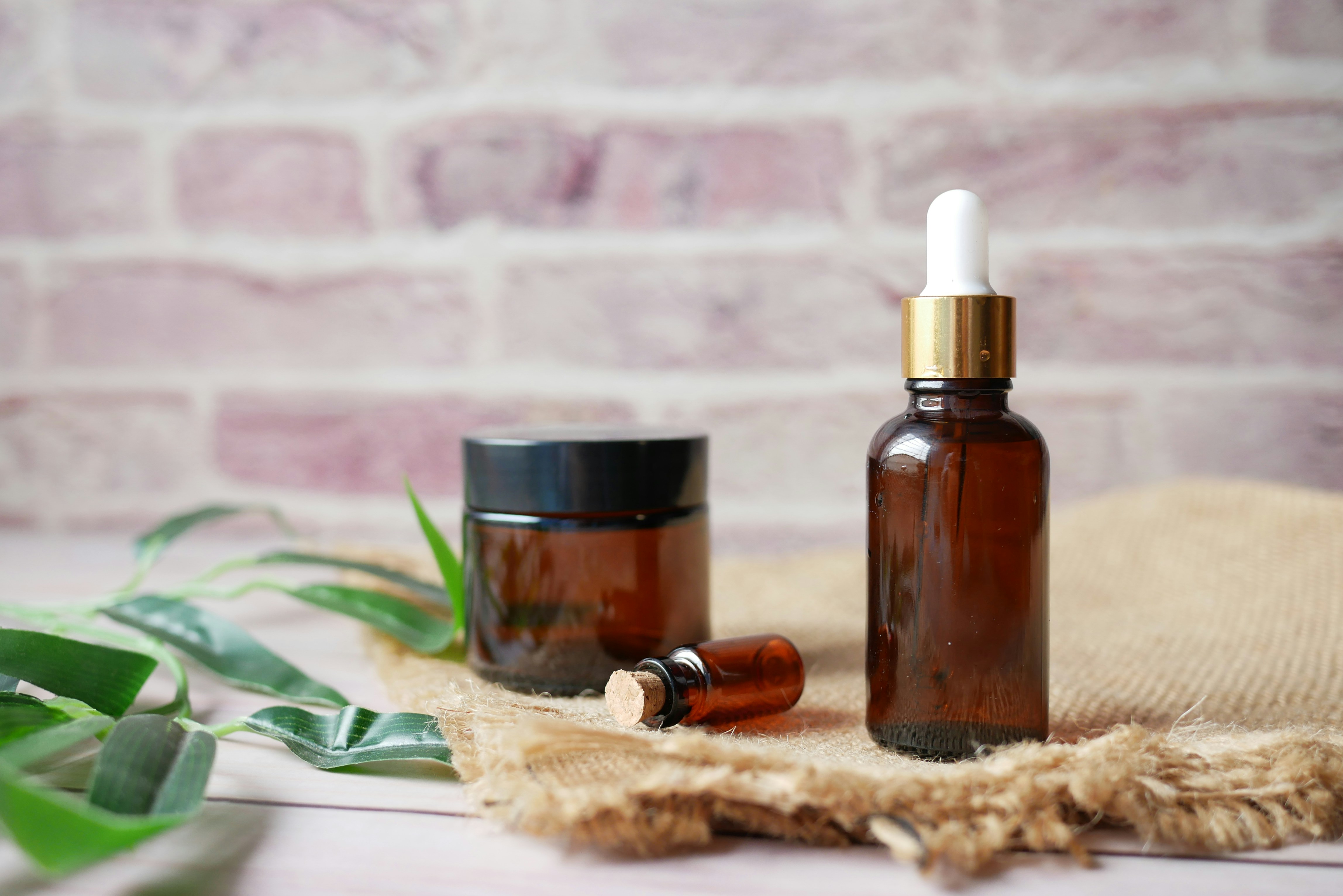
Essential oils are highly concentrated plant extracts that capture the natural fragrance and beneficial properties of various plants. These oils are commonly used in aromatherapy and have been used for centuries for their therapeutic and medicinal qualities. Essential oils are obtained through the distillation or cold-pressing of various parts of plants, including the flowers, leaves, bark, stems, and roots.
Extraction Methods of Essential Oils
There are several methods used to extract essential oils from plants. The most common techniques include steam distillation, cold-pressing, solvent extraction, and enfleurage.
- Steam Distillation: This traditional method involves using steam to break down the plant material and release the essential oil. The steam is then condensed, resulting in a mixture of water and oil, which is later separated. This method is commonly used for extracting oils from flowers, leaves, and stems.
- Cold-Pressing: This method is primarily used for extracting essential oils from citrus fruits, such as oranges and lemons. The fruit peel is mechanically pressed to release the oils, which are then collected.
- Solvent Extraction: Solvents, such as hexane, ethanol, or alcohol, are used to extract essential oils from delicate flowers and plant materials. The solvent is later evaporated, leaving behind the concentrated oil.
- Enfleurage: This method involves placing the plant material, often flowers, onto a greased glass plate or tray, which absorbs the essential oils over time. The oil is then scraped off the plate and collected.
Each extraction method produces oils with unique aromatic profiles and varying levels of therapeutic benefits. It’s important to choose high-quality oils that have been responsibly extracted to ensure their purity and efficacy.
Different Types of Essential Oils
There is a wide variety of essential oils available, each with its own distinct aroma and benefits. Here are some popular types of essential oils:
Lavender Essential Oil
Lavender oil is one of the most versatile and widely used essential oils. It has a sweet, floral scent and is known for its calming and relaxing properties. Lavender oil is often used to promote sleep, reduce anxiety, relieve headaches, and soothe skin irritations.
Peppermint Essential Oil
Peppermint oil has a refreshing and invigorating aroma. It is commonly used for its cooling effects and can help alleviate headaches and muscle pain. Peppermint oil is also known to improve focus and boost energy levels.
Tea Tree Essential Oil
Tea tree oil is a powerful antimicrobial oil with a distinct medicinal scent. It is commonly used for its antibacterial, antifungal, and antiviral properties. Tea tree oil is often used to treat acne, skin infections, and respiratory issues.
Eucalyptus Essential Oil
Eucalyptus oil has a strong, refreshing scent and is commonly associated with respiratory health. It is often used to relieve congestion, promote clear breathing, and soothe sore muscles. Eucalyptus oil can also be found in many over-the-counter cough and cold remedies.
Lemon Essential Oil
Lemon oil has a fresh and uplifting citrus scent. It is known for its antibacterial properties and is commonly used in natural cleaning products. Lemon oil can also help improve mood, boost energy levels, and support immune health.
Rosemary Essential Oil
Rosemary oil has a herbaceous and woody aroma. It is often used to improve focus and memory, relieve muscle pain, and stimulate hair growth. Rosemary oil is also believed to have antioxidant properties.
Chamomile Essential Oil
Chamomile oil has a sweet and apple-like aroma. It is well-known for its calming and soothing properties, making it a popular choice for promoting relaxation and relieving stress. Chamomile oil is often used in skincare products for its anti-inflammatory properties.
Benefits of Essential Oils
Aromatherapy
One of the primary uses of essential oils is in aromatherapy. Aromatherapy involves inhaling the scent of essential oils to promote physical and emotional well-being. Different oils have different therapeutic properties, and they can be used individually or blended together to create a desired effect. Aromatherapy can help reduce stress, improve sleep, uplift mood, and provide a sense of relaxation.
Relaxation and Stress Relief
Many essential oils have natural calming properties that can help reduce stress and anxiety. Oils like lavender, chamomile, and bergamot have been shown to promote relaxation and improve sleep quality. Whether diffused in the air or used in massage oils, these oils can create a tranquil environment and help alleviate feelings of tension and worry.
Skin and Hair Health
Certain essential oils possess properties that can benefit the skin and hair. Tea tree oil, for example, is commonly used to treat acne and fungal infections due to its antibacterial and antifungal properties. Lavender and chamomile oils are known for their soothing and anti-inflammatory effects, making them valuable additions to skincare routines. Essential oils like rosemary and peppermint can also promote hair growth and improve scalp health.
Respiratory Health
Many essential oils have properties that can support respiratory health and ease congestion. Eucalyptus oil, with its strong decongestant properties, is often used in inhalers and steam inhalation treatments for respiratory issues. Peppermint and tea tree oils can also have a cooling effect on the airways and help alleviate symptoms of respiratory infections.
Digestive Health
Some essential oils can aid in digestion and relieve common digestive issues. Peppermint oil, for instance, has been found to effectively reduce symptoms of irritable bowel syndrome (IBS) and indigestion. Ginger and fennel oils are also commonly used to soothe upset stomachs and alleviate nausea.
Pain Relief
Certain essential oils have analgesic properties that can help reduce pain and inflammation. Oils like lavender, chamomile, and eucalyptus have been used for centuries to soothe muscle aches, headaches, and joint pain. When applied topically or used in massage oils, these oils can provide natural pain relief.
Boosting Immunity
Many essential oils have immune-boosting properties that can help support the body’s natural defense mechanisms. Tea tree oil, with its antimicrobial and antiviral properties, can help protect against infections. Lemon and eucalyptus oils also have immune-stimulating properties and can support overall immune health.
Methods of Using Essential Oils
Diffusion
One of the most popular ways to use essential oils is through diffusion. Diffusers disperse the oil into the air, allowing you to inhale the aromatic molecules. This method is perfect for creating a calming atmosphere or purifying the air in your home. You can use diffusers with a variety of essential oils or create your own blends for a personalized scent experience.
Topical Application
When diluted with a carrier oil, such as coconut or jojoba oil, essential oils can be applied directly to the skin. Topical application allows the oils to be absorbed into the bloodstream and exert their therapeutic effects. However, it’s important to always perform a patch test first and use proper dilution ratios to avoid skin irritation or sensitization.
Ingestion
In some cases, essential oils can be taken internally to support overall health and wellness. However, this method should only be done under the guidance of a trained professional, as essential oils are highly concentrated compounds and can be toxic in large quantities.
Precautions and Safety
Dilution Ratios
Essential oils are highly concentrated and should always be diluted before applying them to the skin. Dilution ratios vary depending on the oil and the desired application. As a general guideline, a 2% dilution ratio is recommended for adults, which equates to 12 drops of essential oil per ounce of carrier oil.
Patch Testing
Before applying an essential oil to a larger area of the skin, it’s important to perform a patch test to check for any adverse reactions. Apply a small amount of diluted oil to the inside of your forearm and wait for 24 hours to see if any irritation or redness occurs.
Avoiding Sensitive Areas
Certain areas of the body, such as the eyes, ears, and mucous membranes, are more sensitive to essential oils and should be avoided during application. If accidental contact occurs, flush the area with a carrier oil, such as olive or coconut oil, and seek medical attention if necessary.
Consulting with a Professional
If you are new to using essential oils or have specific health concerns, it is always advisable to consult with a qualified aromatherapist or healthcare professional. They can provide guidance on proper usage, recommended oils, and potential interactions with medications or existing conditions.
Popular Recipes and Blends
Calming Sleep Blend
- 4 drops lavender essential oil
- 2 drops chamomile essential oil
- 2 drops bergamot essential oil
Add these oils to a diffuser or blend with a carrier oil for a relaxing massage before bed. This blend can help promote a restful night’s sleep.
Uplifting Mood Blend
- 3 drops lemon essential oil
- 3 drops peppermint essential oil
- 2 drops orange essential oil
Diffuse this blend to uplift your mood and create a refreshing atmosphere. The citrusy aroma will help energize and invigorate your senses.
Immune Boosting Blend
- 4 drops tea tree essential oil
- 2 drops eucalyptus essential oil
- 2 drops lemon essential oil
Add these oils to a diffuser or blend with a carrier oil for a natural immune-boosting blend. This combination can help support your body’s defense against common infections.
Skin Nourishing Blend
- 3 drops lavender essential oil
- 2 drops frankincense essential oil
- 2 drops geranium essential oil
Combine these oils with a carrier oil, such as jojoba or almond oil, for a rejuvenating face or body oil. This blend can help nourish the skin and promote a healthy, glowing complexion.
Research and Studies on Essential Oils
While essential oils have been used for centuries, scientific research on their effectiveness and potential health benefits is still ongoing. Here are some areas in which essential oils have shown promise:
Effects on Mental Health
Several studies have suggested that certain essential oils, such as lavender and chamomile, may have a positive impact on mental health. Inhalation of these oils has been shown to reduce anxiety, improve mood, and promote relaxation. However, more research is needed to fully understand the mechanisms behind these effects.
Antimicrobial Properties
Many essential oils possess antimicrobial properties and have been found to inhibit the growth of bacteria, fungi, and viruses. Tea tree oil, for example, has been extensively studied for its antimicrobial effects and is commonly used in natural remedies for skin and nail infections.
Effects on Inflammation
Certain essential oils, such as clove and frankincense, have been found to have anti-inflammatory properties. These oils may help reduce inflammation in certain conditions, such as arthritis or skin diseases. However, further research is needed to fully understand their mechanisms of action and potential therapeutic applications.
Potential Cancer Treatments
Some studies have explored the potential of essential oils as alternative or complementary treatments for cancer. Certain oils, such as frankincense and lemon, have shown promising results in laboratory studies, demonstrating anti-tumor effects and the ability to induce cancer cell death. However, more research is needed to determine their efficacy and safety in human trials.
History and Cultural Significance
Ancient Uses of Essential Oils
The use of essential oils can be traced back thousands of years to ancient civilizations such as Egypt, Greece, and Rome. These oils were highly valued for their medicinal, cosmetic, and religious purposes. Ancient Egyptians used essential oils in embalming rituals and for their aromatic properties in perfumes and cosmetics. Greek physicians, such as Hippocrates, recognized the therapeutic properties of essential oils and used them in medicinal preparations.
Use in Traditional Medicine
Essential oils have long been a part of traditional medicine systems, such as Ayurveda and Traditional Chinese Medicine (TCM). In Ayurveda, essential oils are believed to balance the Doshas (energies) within the body and promote overall well-being. In TCM, aromatic herbs and oils are used to restore the balance of Qi (vital energy) and treat various ailments.
Religious and Spiritual Practices
Essential oils have played a significant role in religious and spiritual practices throughout history. They have been used in sacred rituals, ceremonies, and purification rituals in many cultures around the world. Oils such as frankincense and myrrh are mentioned in religious texts and have been used for spiritual purposes for centuries.
Sustainability and Ethics
Sustainable Sourcing
With the rising popularity of essential oils, it is important to consider sustainability when choosing products. Responsible companies practice sustainable sourcing by ensuring the plants used for oil extraction are harvested in an environmentally friendly manner. They also support fair trade practices to ensure the well-being of farmers and communities involved in the production process.
Environmental Impact
The production of essential oils can have a significant impact on the environment, especially when plants are overharvested or harvested unsustainably. It is essential to choose oils that are produced using environmentally friendly practices and are sourced from plants that are not endangered.
Fair Trade Practices
Many essential oils are produced in developing countries, where farmers and producers may not always receive fair compensation for their work. Supporting companies that promote fair trade practices helps ensure that farmers are paid a fair wage and communities benefit from the production and sale of essential oils.
Conclusion
The wonders of essential oils are truly remarkable. From their pleasant fragrances to their potential therapeutic benefits, these concentrated plant extracts have been used for centuries for their various properties. Whether you’re seeking relaxation, stress relief, skin and hair health, respiratory support, or immune-boosting properties, essential oils have a wide range of potential benefits.
However, it’s important to use essential oils responsibly and with caution. Always follow proper dilution ratios, perform patch tests, and consult with a professional if you have any concerns or specific health conditions. Choosing high-quality, sustainably sourced oils ensures that you are getting the most out of these natural remedies while supporting ethical practices.
So go ahead and explore the wonderful world of essential oils. Whether diffused in the air, applied to the skin, or used in your favorite recipes and blends, these potent plant extracts can enhance your well-being and bring a touch of nature into your daily life.